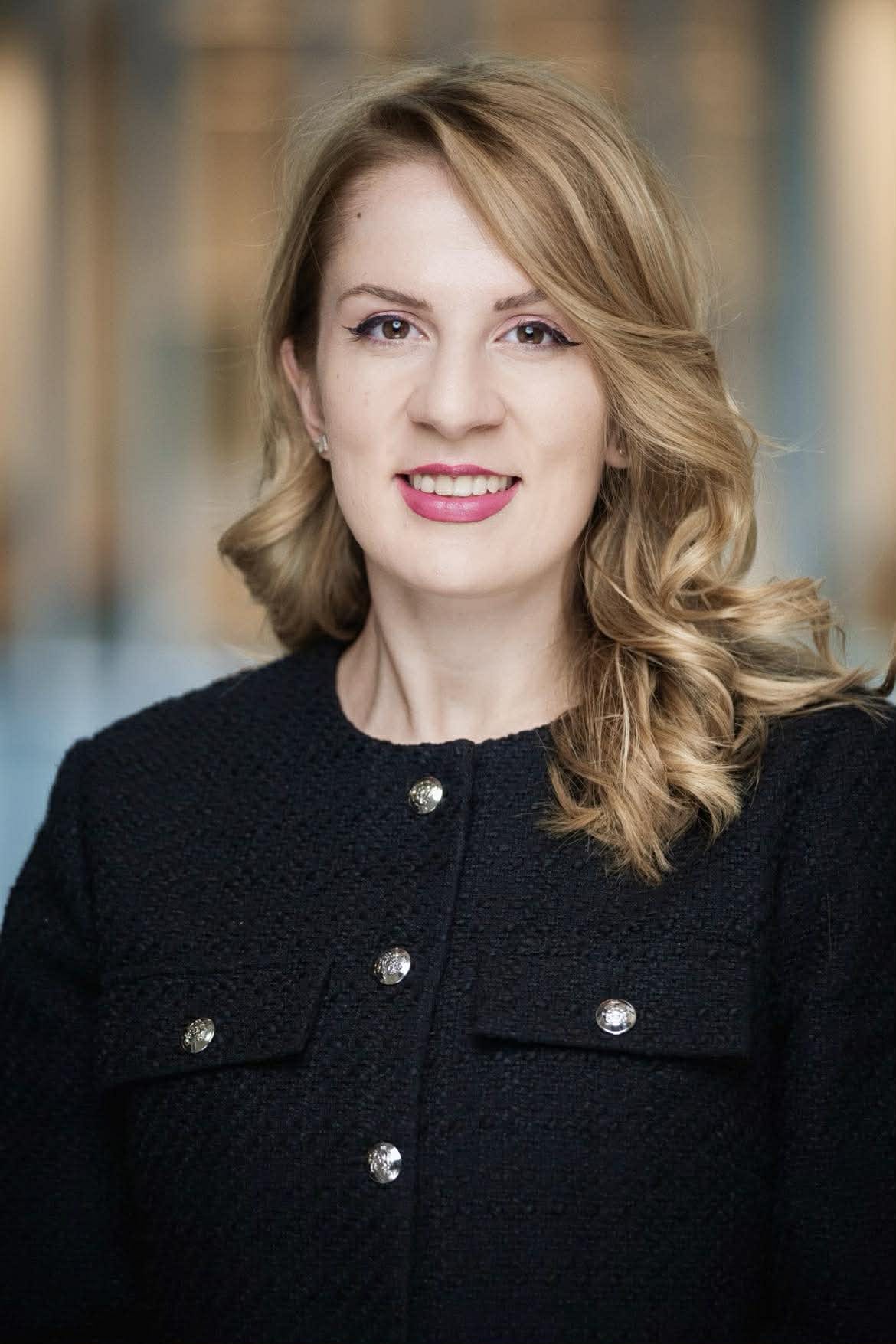
Latvia-based Dr. Eva Moreino, a dynamic and forward-thinking doctor, shares her insights on the fundamental principles of a healthy lifestyle. According to Dr. Moreino, staying balanced isn’t complicated—it comes down to simple, everyday habits we can all adopt. Discover her expert advice in the interview below.
1.Could you share a bit about yourself and the area of medicine in which you currently practice?
I am currently about to finish my residency as a general doctor or family doctor. I work in Riga, Latvia, both in government and private sector. Most of all I enjoy working in the preventive area of medicine, which means that I try to find risks for diseases and prevent them before they even start or delay them. I put a great focus on lifestyle and behavioral changes and not only medication, at the same time it is important for me to practice evidence based medicine.
2.When did you realize that medicine was your true calling, and what led you to choose family medicine and preventive care as your specialty?
To be honest, in the beginning medicine was not so much my choice as it was my parents’. I had good grades at school so they wanted me to do something “substantial”, while I actually wanted to get into acting. During highschool I was going to dancing and singing classes and even acting courses. Eventually, I did not get pass the entrance exams of acting academy but was accepted into medical school, so I decided to give it a try. Even though I didn’t love the studies, and considered quitting them several times, I like to finish what i have started – so after 6 years I managed to get a medical degree and then I thought I’m gonna be done with medicine. After my studies, I worked in PR for a bit and then started lecturing students at medicine university.
Eventually, I found my way back into medicine, and this time it was my own choice. I got into general medicine residency, and found a niche that I like which is preventive medicine, and try to focus on that. It’s not always easy, because it’s a new thing and a lot of people are used to going to doctors only when they’re really sick. There is a lot of educational work behind it.
3.As a doctor, what do you see as the most common mistakes people make that sabotage their health?
I think in general people lack discipline – I myself am guilty of that. People struggle to eat healthy, work out regularly and get enough sleep. There is also smoking and alcohol, but I realised, you cannot make anyone quit smoking unless they want to. I don’t smoke but sometimes I do enjoy a glass of good wine and I realise that I’m benefitting my health at these moments. Also, I think we all struggle with stress management. There are a lot of stressors around us and we don’t know the best ways to deal with them. It all sums up and eventually leads to chronic conditions. Some have better genetics and can “make more mistakes” before getting sick, others don’t.
4.Conversely, what do you believe are the key aspects and secrets to maintaining good general health?
Well, as previously said, good sleep, eating clean, managing stress and regular activity is crucial. Everyone knows it, but not everyone does it. As a doctor, I try to give individual recommendations for each person – part of targeted or personalised therapy. It’s important not to do what is right for everyone, but what fits you the best. For example, someone feels great when they drink water with lemon each morning, but someone else will get upset stomach. Everyone can read those recommendations online, but the right specialist with tailor them to you.
5.Lastly, how do you manage to maintain an emotional distance from your patients and avoid being affected when they are experiencing serious illnesses?
Doctors are different and each has a different level of tolerance. When I worked at the ER and internal departments at the hospital, I quickly got burned out. I realised that this was not for me. I try to limit how much patients I see because otherwise I feel exhausted and can’t help anyone. There is very much that we do besides consultations, like paperwork, studying, visiting conferences, doing research etc. Every day I get medical questions form people I know and that can be tiring as well, so I try to limit these “extra consultations”. For me, doing therapy, going to the gym and getting rest from people helps, but every doctor needs to find their own way.
Bianca Bonta (Ruta)