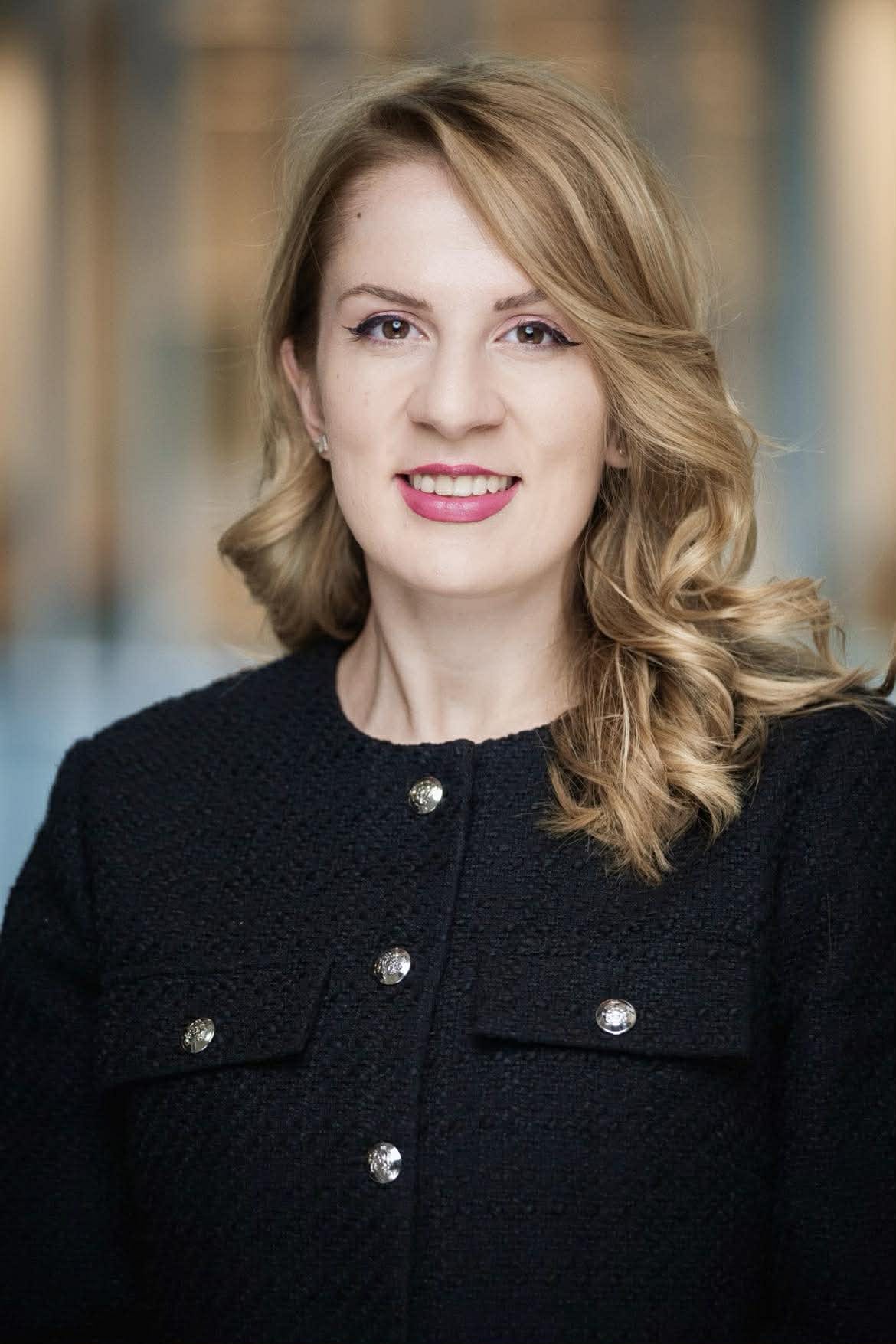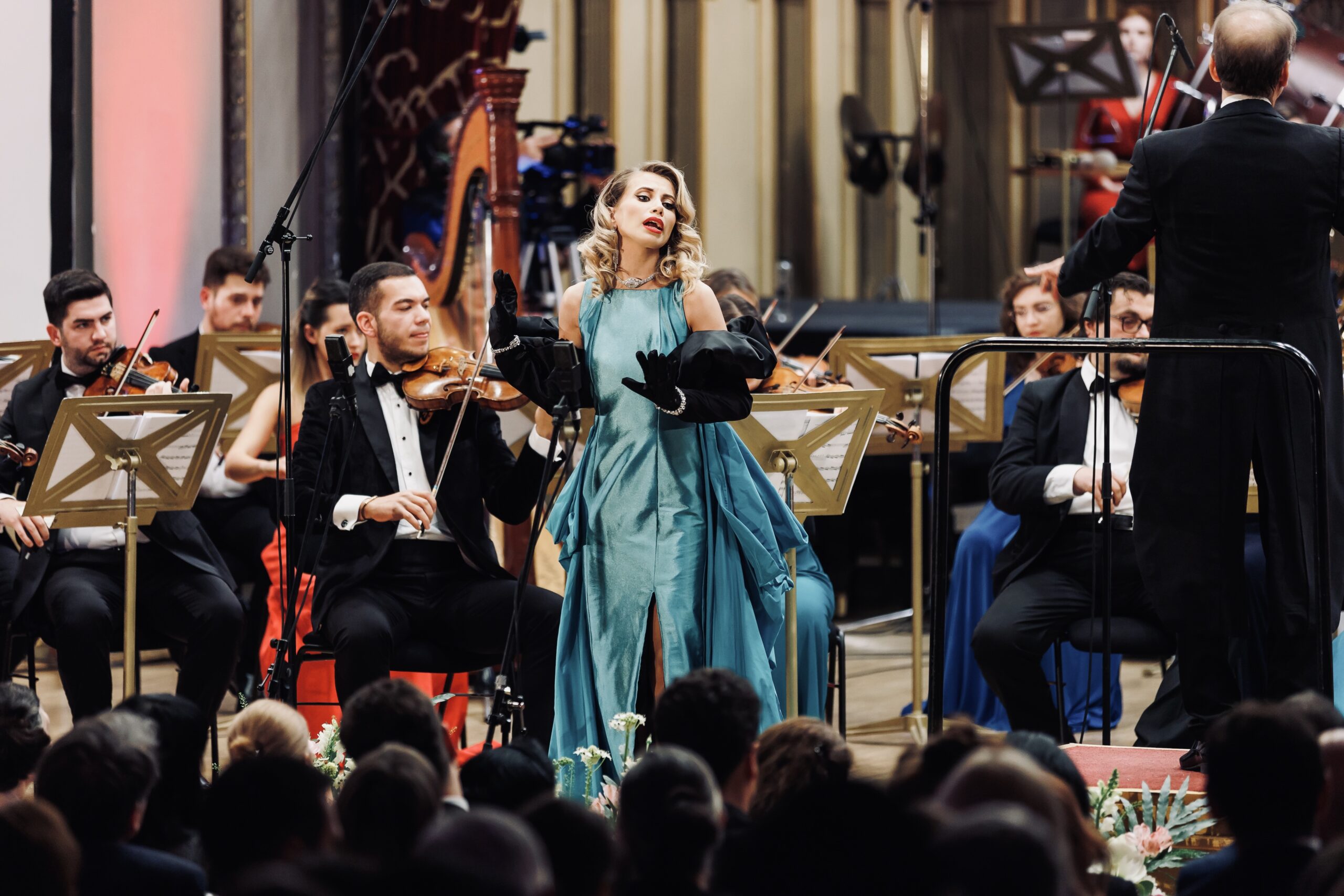
Diana Alexe, Soprano, Vienna, Austria
When something stirs within you — a quiet whisper, a hidden flame — give it time. Let it grow, let it breathe, and when it’s ready, offer it to the world.
This is the story of Diana Alexe, before the spotlight, before the stage — the journey of a soul becoming sound, growing up in Adjud, a small city in Romania where dreams often echo quietly before they rise.
1. Could you start by sharing a bit about yourself and your journey in the world of music? What inspired you to pursue a career as a soprano?
I come from Adjud, a small town with a deeply rooted artistic spirit. It might seem unlikely, but that modest place shaped who I am—quiet, introspective, and full of dreams that always seemed too large for the world around me. From an early age, I felt music more than I understood it. I wasn’t just singing songs; I was living them. I would compose poems and give them melodies, performing for trees, birds, and curious neighbors who stopped to listen.

What drew me to opera specifically was not something I planned—it was something instinctual. The drama, the emotion, the depth of the characters—all of it mirrored something inside me that words alone couldn’t express. Opera felt like the only space vast enough to hold everything I was feeling.
As a child, I didn’t understand the mechanics of music, but I understood presence. I was most myself when I sang. The applause didn’t matter as much as the stillness in the room afterward—that silent recognition that something real had happened. That’s when I knew: this wasn’t just a love for singing. It was a calling. I didn’t choose this career. It chose me—and it gave me a way to speak my truth, through sound.
2. Have you always known that singing was your passion, or did you discover it along the way? What was that journey like for you?
The passion was always there, yes—but the path revealed itself step by step. I didn’t know from the start that I would become a soprano, or that my life would be woven through cities, stages, and rehearsals across Europe. What I knew, as a child, was that music helped me make sense of the world. It was the one place where I never felt out of place.
The real turning point came at the age of 12, when my music teacher in Adjud heard me sing a classical aria and told me, almost with awe, that I had an operatic voice. That recognition changed the course of everything. By 14, I was studying in Bucharest at the National College of Arts “Dinu Lipatti.” Leaving home so young wasn’t easy, but it gave me structure and purpose. Later, university studies deepened that foundation, especially under the guidance of mentors who not only taught me technique but offered a philosophy of artistry rooted in vulnerability and strength.
Then came Vienna—a chapter I hadn’t foreseen. After an impromptu audition just days after my final university exam, I found myself accepted into the Chorakademie of the Vienna State Opera. That leap into the unknown became the moment I stepped into a truly international world. Today, I live between cities, between cultures, always packing my voice along with my suitcase. The journey continues to surprise me, but at every turn, it teaches me who I am and who I still have the potential to become.
3. As a soprano, do you feel your femininity plays an important role in your performances and career? How do you embrace it?
Femininity is a subtle yet relentless force in my artistic life. For me, being a soprano, an opera singer isn’t just about producing beautiful sound – it’s about embodying stories, emotions, and complex human journeys, all through a conscious sensitivity. In an artistic world often ruled by rigidity and comparison, I’ve learned to wear my femininity like a delicate armor: with gentleness, vulnerability, and dignity. It shapes my stage presence and the way I relate to each role – not only as a voice, but as a woman who understands pain, love, and loss. A mature, unapologetic femininity that doesn’t ask for permission to exist.
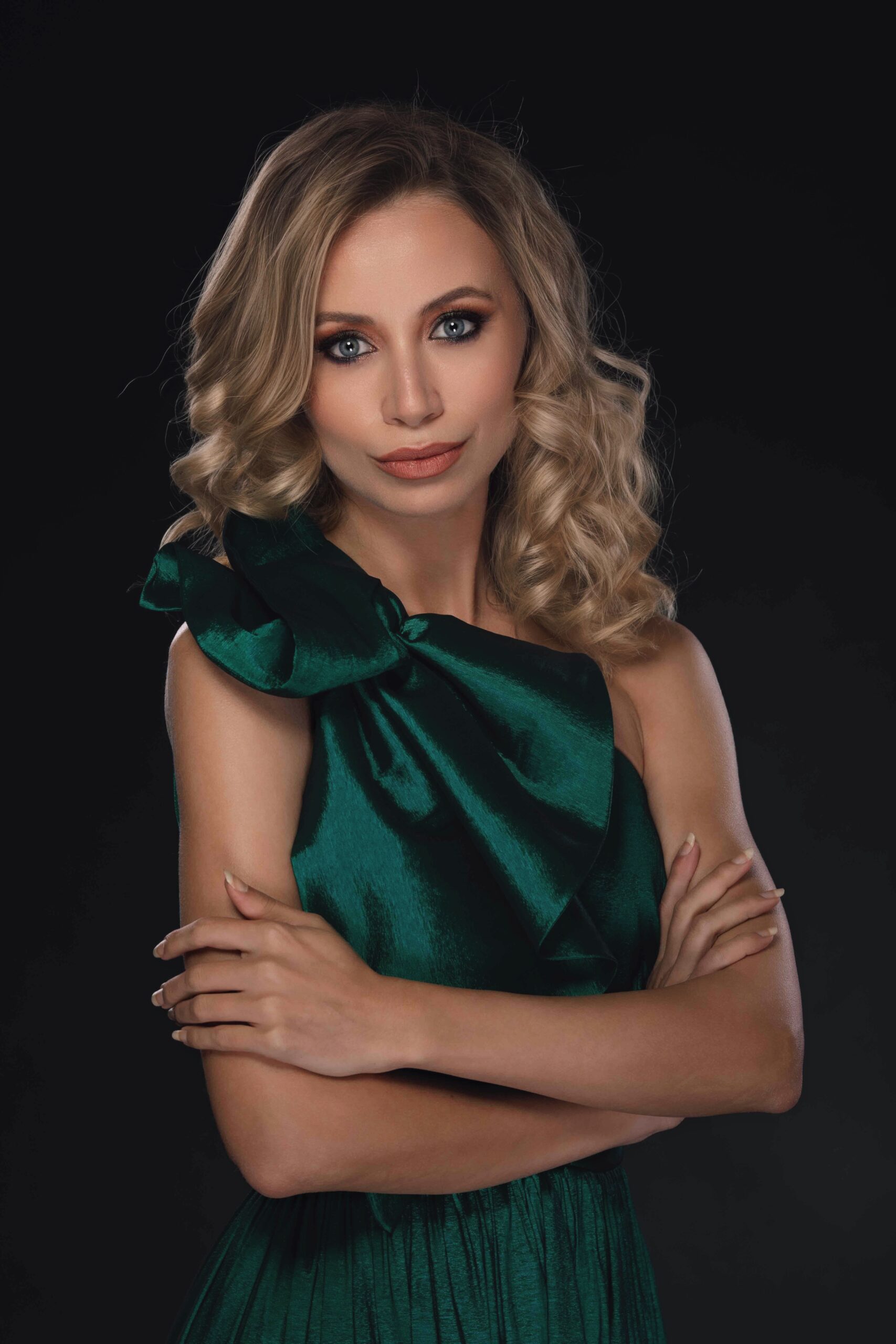
“Heels of Power”? It’s when you’re not afraid to be yourself, even when the world tries to cast you in a different role. To be a voice, not an echo. In every step – whether in the midst of a grand performance or a quiet moment of reflection – there’s an act of courage: to stay authentic and claim your place, without compromise. Power isn’t measured by the height of your heels, but by your ability to rise again and transform every challenge into an opportunity to grow.
A woman’s strength isn’t in how loud she can speak, but in how deeply she feels – and how she turns those feelings into art. That’s what I strive to do: let every role, every note, every appearance say, ‘I am here. Woman. Artist. Human.’
4. What advice would you give to young girls dreaming of becoming sopranos or pursuing a similar path in music?
I would tell them not to confuse perfection with purpose. Don’t be afraid to be different – in fact, defend your uniqueness with grace and strength. Build patience, because classical music isn’t a sprint, it’s a slow kind of alchemy. Every failure is a refinement, every success – a mirror of your dedication. But above all: nurture your emotion, your sincerity, your femininity. Opera needs women who feel, not just voices that impress. The true beauty of a career comes from the courage to tell your own story, even when it’s hard.
5. Finally, how do you manage to balance your professional commitments with your personal life? Any advice you’d like to share?
I can’t say I’ve found a fixed formula – balance is always shifting, a delicate negotiation between dream and reality. My career involves travel, rehearsals, competitions, and the constant pressure to perform. But I’ve learned to say “stop” when I feel I’m losing myself. I make space for silence, for reflection, for time that’s just mine. I’ve learned to protect my inner world and not let my personal life become an extension of the stage.
A sincere piece of advice? Don’t build your life around applause. Build it around the things that remain when the curtain falls: love, friendship, values. The rest will follow – in your own rhythm.
By Bianca Bonta (Ruta)